
Savings and Credit Cooperative Organizations (SACCOs) continue to play a critical role in financial inclusion and economic empowerment, particularly across emerging markets. As membership bases grow and financial products become more sophisticated, the complexity of managing loan portfolios has increased significantly.
Loan management is at the core of SACCO operations. It directly influences liquidity, profitability, regulatory compliance, and member satisfaction. However, many SACCOs still rely on fragmented systems, manual workflows, and outdated tools that limit efficiency and expose them to operational risks.
In 2026, a new wave of digital transformation is reshaping the SACCO landscape. The integration of Enterprise Resource Planning (ERP) systems with advanced data analytics is enabling SACCOs to streamline loan processes, enhance decision-making, and improve overall financial performance. This article explores how these technologies are redefining loan management and why they are becoming indispensable for forward-looking SACCOs.
The Evolving Challenges in SACCO Loan Management
Despite steady growth in the SACCO sector, loan management remains a persistent challenge for many institutions. Traditional approaches are increasingly unable to keep pace with the demands of modern financial environments.
One of the most common challenges is inefficient loan processing. Manual application reviews, paper-based approvals, and disjointed workflows often lead to delays, frustrating members and reducing competitiveness. In an era where digital financial services are expected to be fast and seamless, such inefficiencies can significantly impact member retention.
Another major issue is data fragmentation. Many SACCOs operate multiple systems for member records, accounting, and loan tracking. This lack of integration leads to inconsistencies, duplication of data, and difficulties in generating accurate reports. Decision-makers often struggle to obtain a unified view of the loan portfolio.
Credit risk management is also a growing concern. Without advanced analytical tools, SACCOs rely heavily on manual assessments and historical judgment, which may not accurately reflect a member’s current financial behavior. This increases the likelihood of loan defaults and negatively affects financial stability.
In addition, SACCOs face increasing pressure to meet regulatory and compliance requirements. Accurate and timely reporting is essential, yet manual processes make it difficult to maintain consistency and audit readiness.
These challenges highlight the need for a more integrated, intelligent, and scalable approach to loan management.
Member Management as a Foundation for Effective Loan Management
Effective loan management in SACCOs is inherently dependent on strong member management practices. Every lending decision is built on the quality, accuracy, and completeness of member information. Without a reliable system for managing member data, SACCOs face increased risks of poor credit evaluation, inconsistent policy enforcement, and operational inefficiencies.
An integrated ERP system enables SACCOs to maintain comprehensive and up-to-date member profiles that include contribution history, savings patterns, loan records, and overall financial behavior. This centralized approach ensures that all departments access the same accurate data, eliminating discrepancies that often arise from fragmented systems. As a result, credit officers are better equipped to assess loan eligibility, determine appropriate lending limits, and evaluate a member’s repayment capacity with confidence.
In addition, member management systems play a critical role in enforcing SACCO policies such as deposit-based lending ratios and eligibility criteria. By automatically linking member contributions to loan processing workflows, ERP systems ensure that lending decisions are consistent, transparent, and aligned with institutional guidelines.
Furthermore, access to detailed member insights allows SACCOs to segment their membership based on financial behavior, risk levels, and engagement. This enables more personalized financial services, targeted loan products, and proactive engagement with members who may be at risk of default.
Ultimately, aligning member management with loan management processes enhances data integrity, improves risk control, and strengthens overall operational efficiency. SACCOs that invest in integrated systems are better positioned to deliver fair, transparent, and data-driven lending services while maintaining strong relationships with their members.
The Role of ERP Systems in Modernizing Loan Management
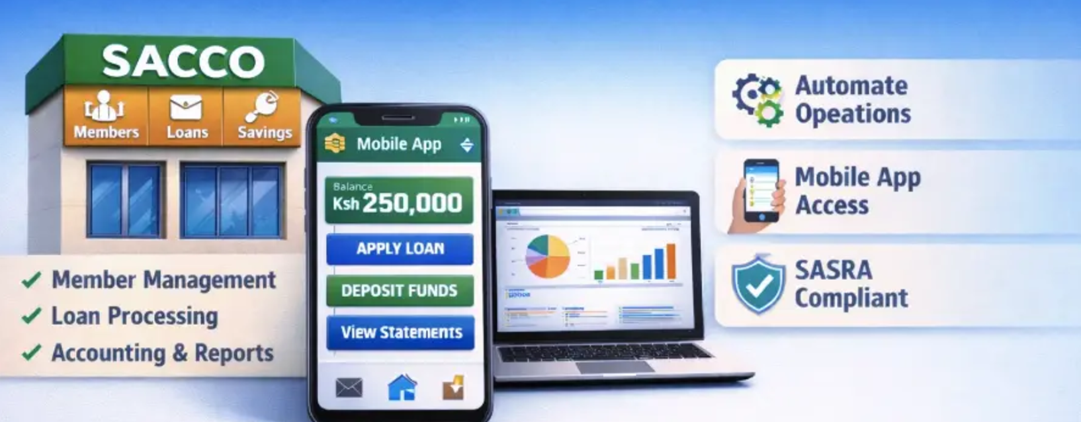
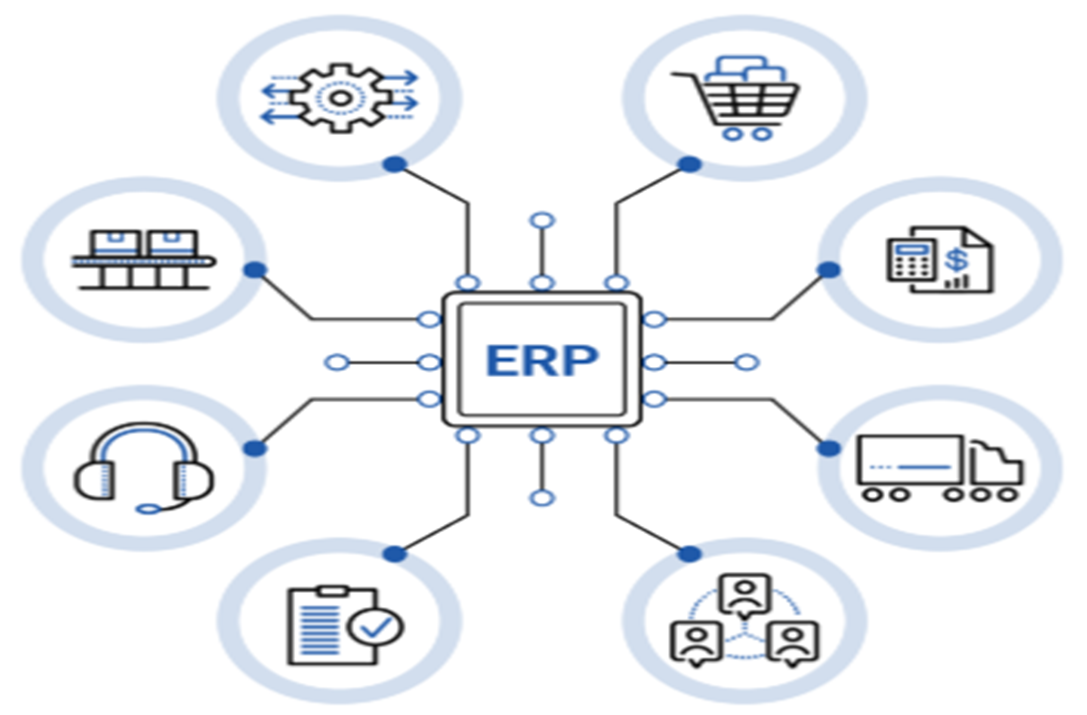
Enterprise Resource Planning (ERP) systems provide a comprehensive solution by integrating core SACCO functions into a single, unified platform. In the context of loan management, ERP systems offer significant advantages that address many of the sector’s long-standing challenges.
End-to-End Loan Lifecycle Automation
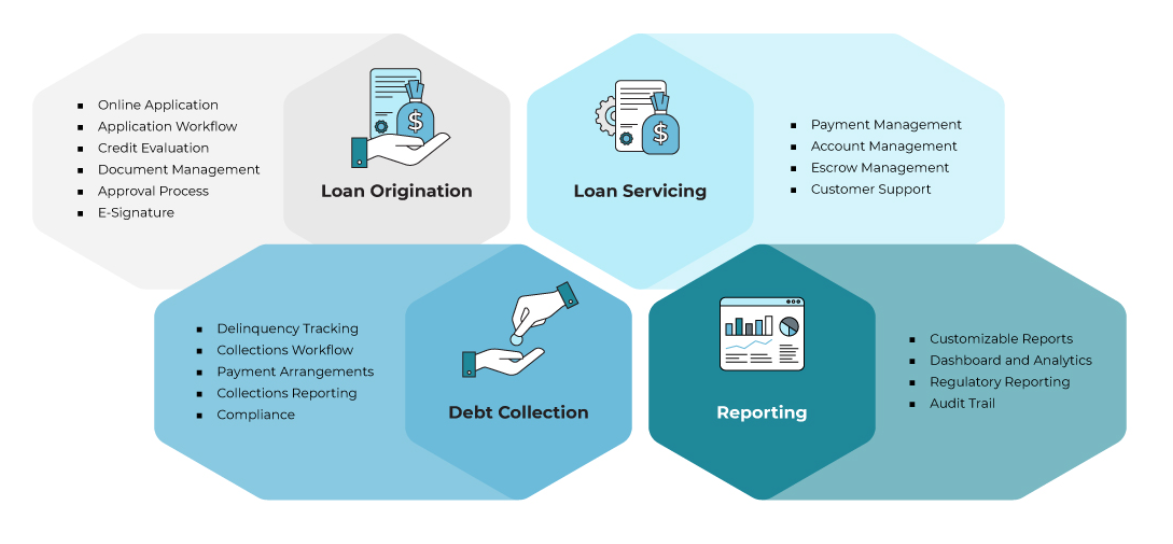
Modern ERP platforms automate the entire loan lifecycle—from application and appraisal to approval, disbursement, and repayment tracking. This eliminates the need for manual intervention at multiple stages, significantly reducing processing times.
Automation also ensures consistency in loan evaluation criteria, improving fairness and transparency. Members benefit from faster turnaround times, while staff can focus on higher-value tasks rather than administrative processes.
Centralized Data Management
ERP systems consolidate all member and financial data into a single source of truth. This centralization eliminates data silos and ensures that all departments are working with accurate and up-to-date information.
For loan management, this means that credit officers can access a complete view of a member’s savings history, repayment behavior, and existing obligations. Such visibility enhances the quality of lending decisions and reduces risk exposure.
Real-Time Reporting and Compliance
Regulatory compliance is a critical requirement for SACCOs. ERP systems simplify this process by generating real-time reports that align with regulatory standards. Automated reporting reduces the risk of human error and ensures that SACCOs remain audit-ready at all times.
Furthermore, management gains immediate access to key performance indicators, enabling timely interventions when issues arise.
Improved Operational Efficiency
By streamlining workflows and reducing manual processes, ERP systems significantly enhance operational efficiency. Tasks that previously required hours or days can now be completed in minutes. This efficiency translates into cost savings and improved service delivery.
Unlocking Value Through Data Analytics
While ERP systems provide structure and integration, data analytics adds a layer of intelligence that transforms how SACCOs manage their loan portfolios.
Enhanced Credit Risk Assessment
Data analytics enables SACCOs to move beyond traditional credit evaluation methods. By analyzing patterns in member behavior, income trends, and repayment history, SACCOs can develop more accurate risk profiles.
This approach reduces reliance on subjective judgment and allows for data-driven lending decisions. As a result, SACCOs can extend credit more confidently while minimizing exposure to high-risk borrowers.
Predictive Insights and Early Warning Systems
One of the most powerful applications of data analytics is the ability to predict future outcomes. Predictive models can identify early warning signs of potential loan defaults, such as irregular repayment patterns or declining savings contributions.
With these insights, SACCOs can take proactive measures, such as engaging members early or restructuring repayment plans. This not only reduces default rates but also strengthens member relationships.
Portfolio Performance Analysis
Data analytics provides a comprehensive view of the loan portfolio, enabling SACCOs to monitor performance in real time. Management can analyze key metrics such as loan growth, repayment rates, delinquency levels, and sector exposure.
This level of visibility supports strategic planning and helps SACCOs identify opportunities for growth and optimization.
Data-Driven Decision Making
In a competitive financial environment, timely and informed decisions are essential. Data analytics equips SACCO leaders with actionable insights that guide policy formulation, product development, and risk management strategies.
Leveraging Advanced Visualization Tools for Better Insights
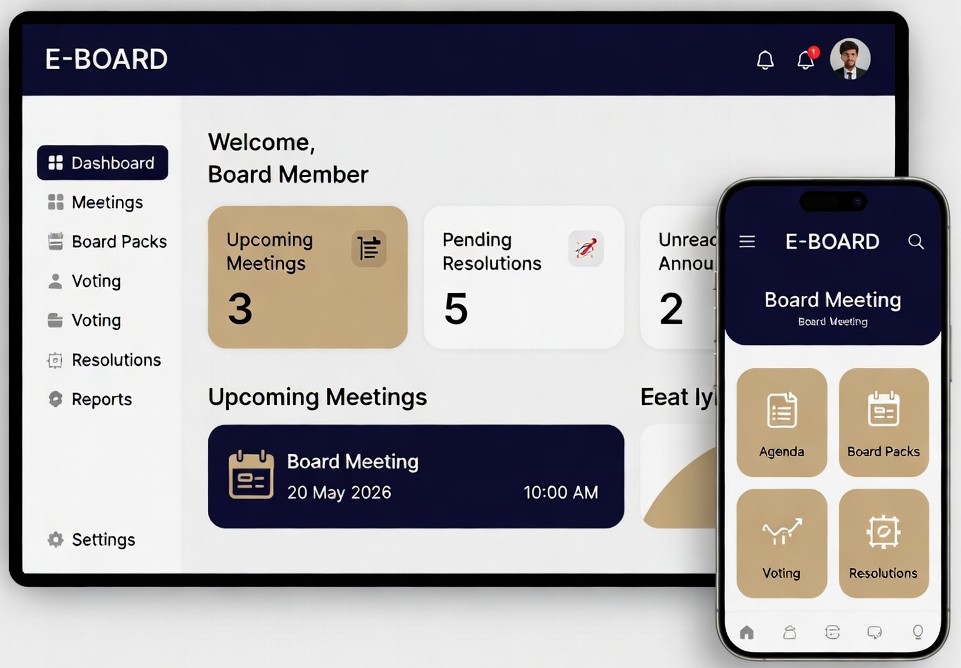
The value of data analytics is significantly enhanced when combined with advanced visualization tools. Interactive dashboards and visual reports make complex data easier to understand and interpret.
These tools allow SACCO management and boards to:
- Monitor loan performance through intuitive dashboards
- Identify trends and anomalies quickly
- Generate customized reports for different stakeholders
- Support strategic discussions with clear, data-backed insights
Visualization bridges the gap between raw data and actionable intelligence, ensuring that insights are accessible to both technical and non-technical users.
Key Benefits of ERP and Data Analytics Integration
The integration of ERP systems with data analytics delivers a wide range of benefits that directly impact SACCO performance.
Increased Efficiency and Productivity
Automation reduces the time required to process loans and manage records, allowing staff to focus on strategic initiatives. This leads to higher productivity and improved service delivery.
Improved Accuracy and Data Integrity
Centralized systems minimize errors associated with manual data entry and duplication. Accurate data forms the foundation for reliable reporting and decision-making.
Reduced Loan Default Rates
Predictive analytics and improved risk assessment enable SACCOs to identify high-risk borrowers and take preventive measures. This contributes to healthier loan portfolios.
Enhanced Member Experience
Faster loan approvals, transparent processes, and personalized services improve member satisfaction and loyalty. In a competitive market, superior member experience is a key differentiator.
Stronger Compliance and Governance
Automated reporting and audit trails ensure that SACCOs meet regulatory requirements with ease. This strengthens governance and builds trust with stakeholders.
The Critical Link Between Membership, Deposits, and Loan Management
Effective loan management in SACCOs is closely tied to accurate membership and deposit management. Member contributions form the primary source of funds for lending, while savings history often determines borrowing limits and eligibility.
An integrated ERP system ensures that member records, deposit contributions, and loan accounts are seamlessly connected. This integration enables SACCOs to:
- Assess loan eligibility based on real-time member savings
- Enforce policies such as deposit-based lending ratios
- Track member contribution consistency and financial behavior
- Improve transparency in dividend calculations and loan allocations
By linking membership and deposit data directly to loan management processes, SACCOs gain a more holistic and accurate view of each member’s financial position. This not only enhances decision-making but also reduces the risk of over-lending and defaults.
Strategic Importance for SACCO Growth in 2026 and Beyond
As SACCOs expand their operations and diversify their offerings, the need for scalable and flexible systems becomes increasingly important. Manual and fragmented systems cannot support sustained growth.
ERP and data analytics provide the foundation for digital transformation, enabling SACCOs to adapt to changing market conditions and member expectations. Institutions that invest in these technologies are better positioned to:
- Scale operations efficiently
- Introduce new financial products
- Enhance risk management capabilities
- Compete with digital financial service providers
In 2026, technology is no longer a supporting function—it is a strategic enabler of growth and innovation.
The transformation of SACCO loan management is well underway. ERP systems and data analytics are redefining how loans are processed, monitored, and optimized. By automating workflows, centralizing data, and delivering actionable insights, these technologies address the core challenges that have long hindered SACCO efficiency.
For SACCOs seeking to improve performance, reduce risk, and deliver better value to their members, the adoption of ERP and data-driven solutions is no longer optional. It is a strategic imperative.
Organizations that embrace this transformation will not only enhance their operational capabilities but also position themselves as leaders in an increasingly competitive financial landscape.
FanisiTech Limited provides advanced ERP solutions integrated with powerful data analytics capabilities designed specifically for SACCO operations. Our systems are built to streamline loan management, enhance decision-making, and support sustainable growth.
Contact FanisiTech today to learn how your SACCO can leverage technology to transform loan management and achieve operational excellence in 2026 and beyond. We work closely with your organization to ensure a successful ERP journey—from strategy to execution.
To find us, visit our website https://fanisitech.com/, call our offices (+254743313103), visit our main office [Office Number 718, 7th Floor, KU PLAZA, Haile Sallassie Avenue, Nairobi CBD], or email us on info@fanisitech.com to schedule a FREE DEMO.
The opportunity is clear. The technology is ready.
The next move is yours.
Latest Comments
No comments yet for this post. Be the first to comment
Comment on the blog "How ERP and Data Analytics Are Transforming SACCO …"