
As organizations continue to digitize their operations, Enterprise Resource Planning (ERP) systems have become a critical foundation for improving efficiency, enhancing visibility, and enabling data-driven decision-making. From finance and procurement to human resources and customer relationship management, ERP systems integrate core business functions into a unified platform.
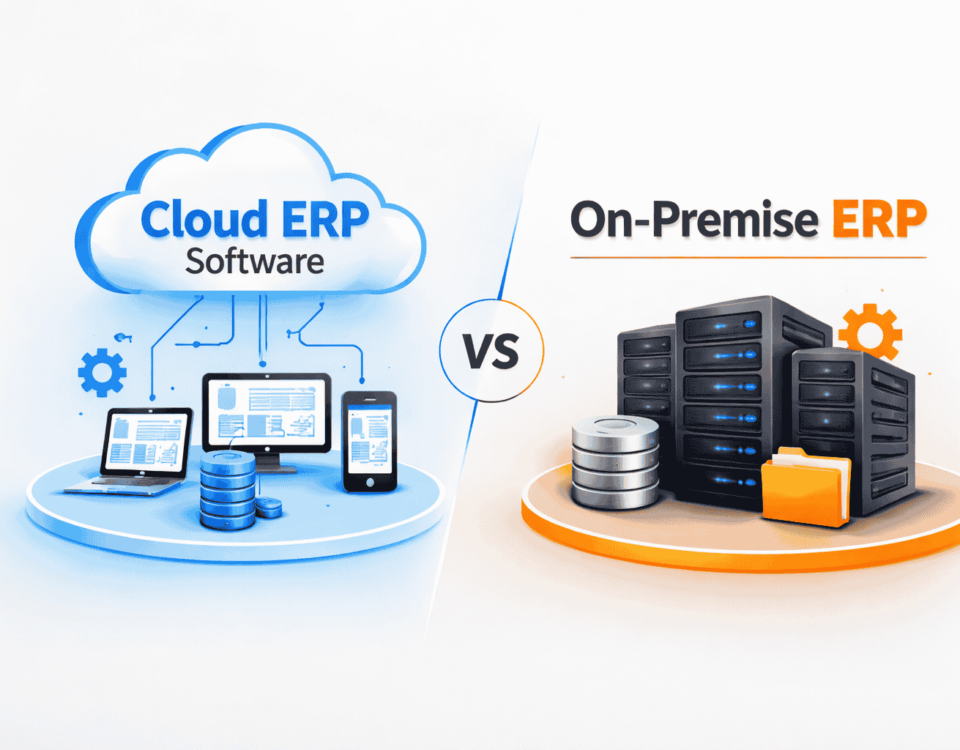
However, one of the most important strategic decisions businesses face when adopting an ERP system is choosing between Cloud ERP and On-Premise ERP.
This decision is not purely technical—it directly influences your organization’s cost structure, operational flexibility, scalability, security posture, and long-term growth potential. With businesses in Kenya and across Africa increasingly embracing digital transformation, understanding these two models is more important than ever.
This article provides a comprehensive comparison to help you determine which ERP deployment model best aligns with your business goals.
Understanding ERP Deployment Models
Before diving into comparisons, it is important to understand what distinguishes Cloud ERP from On-Premise ERP.
What is Cloud ERP?
Cloud ERP is hosted on remote servers managed by a third-party provider and accessed via the internet. Instead of purchasing software outright, businesses subscribe to the system, typically on a monthly or annual basis.
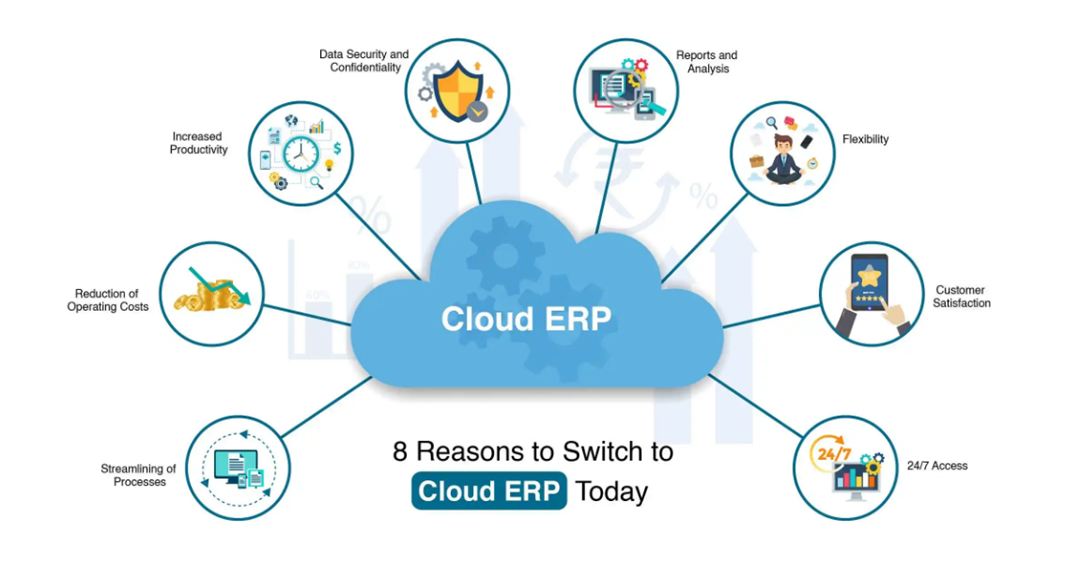
The vendor is responsible for system maintenance, updates, security, and infrastructure, allowing organizations to focus on their core operations rather than IT management.
Cloud ERP is particularly popular among modern businesses due to its accessibility, scalability, and reduced upfront investment.
What is On-Premise ERP?
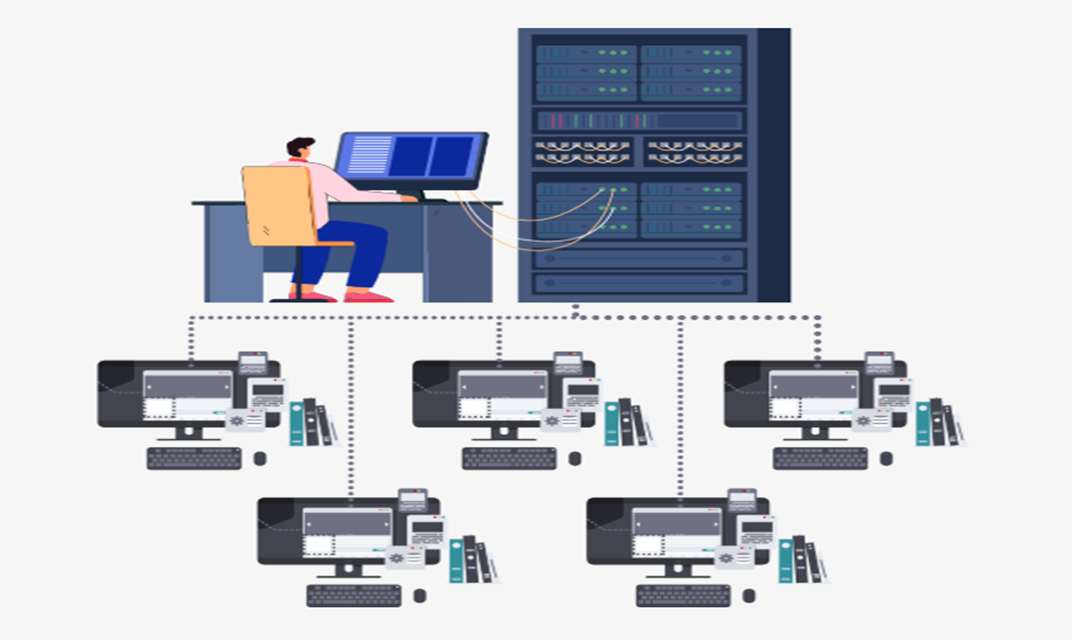
On-Premise ERP, on the other hand, is installed locally on a company’s own servers and managed internally by its IT team. This traditional deployment model provides full control over the system, including data storage, customization, and security configurations.
While it offers greater control, it also requires significant investment in hardware, licensing, and ongoing maintenance, making it more resource-intensive.
Key Differences Between Cloud and On-Premise ERP
Understanding the core differences between these two models is essential for making an informed decision.
| Factor | Cloud ERP | On-Premise ERP |
| Deployment | Hosted on vendor servers | Installed on local infrastructure |
| Cost Model | Subscription (OPEX) | Capital expenditure (CAPEX) |
| Implementation Time | Faster | Longer and more complex |
| Maintenance | Vendor-managed | Managed in-house |
| Accessibility | Remote, multi-device | Limited remote access |
| Scalability | Highly scalable | Limited by hardware capacity |
| Updates | Automatic and frequent | Manual and periodic |
| Data Control | Shared responsibility | Full organizational control |
Advantages of Cloud ERP
1. Lower Initial Investment
One of the most attractive features of Cloud ERP is its affordability. Businesses do not need to invest heavily in servers, data centers, or infrastructure. Instead, costs are spread over time through subscription fees.
This makes Cloud ERP particularly suitable for small and medium-sized enterprises (SMEs) and startups looking to adopt advanced systems without large upfront costs.
2. Faster Implementation and Deployment
Cloud ERP systems can be deployed significantly faster than on-premise solutions. Since the infrastructure is already in place, implementation mainly involves configuration rather than installation.
This allows businesses to start realizing value in a shorter time frame.
3. Scalability and Business Growth
Cloud ERP is inherently scalable. As your business grows, you can easily add:
- New users
- Additional modules
- Expanded storage capacity
This flexibility ensures that your ERP system evolves alongside your organization without requiring major system overhauls.
4. Remote Access and Mobility
With Cloud ERP, users can access the system from anywhere using a secure internet connection. This is especially beneficial for:
- Multi-branch organizations
- Remote teams
- Field operations
In an increasingly mobile and hybrid work environment, this capability is a major advantage.
5. Automatic Updates and Maintenance
Cloud ERP providers handle system updates, security patches, and maintenance. This ensures that your system is always:
- Up to date
- Secure
- Optimized for performance
It also reduces the burden on your internal IT team.
6. Enhanced Collaboration
Cloud ERP promotes real-time collaboration by providing a centralized platform accessible to all departments. Teams can work with live data, improving coordination and decision-making.
Disadvantages of Cloud ERP
Despite its many benefits, Cloud ERP also has some limitations:
1. Dependence on Internet Connectivity
Reliable internet access is essential. Any downtime can disrupt operations.
2. Recurring Costs
While initial costs are lower, subscription fees accumulate over time and may exceed the cost of on-premise systems in the long term.
3. Limited Customization
Some cloud solutions may restrict deep customization to maintain system stability.
4. Data Security Concerns
Although vendors implement strong security measures, some organizations may still have concerns about storing sensitive data externally.
Advantages of On-Premise ERP
1. Full Control Over Data and Systems
On-Premise ERP gives organizations complete control over their data, servers, and security protocols. This is particularly important for industries with strict regulatory requirements.
2. Extensive Customization
Businesses can tailor the system to meet highly specific operational needs. This is ideal for organizations with complex workflows or unique processes.
3. Independence from Internet Connectivity
Since the system is hosted locally, operations can continue even without internet access, ensuring business continuity in low-connectivity environments.
4. Long-Term Cost Predictability
Although the initial investment is high, there are no recurring subscription fees, which may result in lower costs over a long period.
Disadvantages of On-Premise ERP
1. High Upfront Costs
Organizations must invest in:
- Hardware and servers
- Software licenses
- Infrastructure setup
This can be a significant barrier, especially for smaller businesses.
2. Ongoing Maintenance Requirements
Internal IT teams are responsible for:
- System updates
- Security patches
- Backups
- Troubleshooting
This increases operational complexity and costs.
3. Limited Scalability
Scaling an on-premise system often requires additional hardware and infrastructure upgrades, which can be costly and time-consuming.
4. Slower Upgrades
System updates are manual and may require downtime, disrupting business operations.
When Should You Choose Cloud ERP?
Cloud ERP is the right choice if your business:
- Is growing rapidly or planning expansion
- Has limited IT resources or infrastructure
- Requires remote accessibility
- Prefers predictable operational expenses
- Needs quick implementation
For many modern businesses, especially in emerging markets, Cloud ERP provides the agility needed to remain competitive.
When Should You Choose On-Premise ERP?
On-Premise ERP may be more suitable if your organization:
- Handles highly sensitive or regulated data
- Requires extensive customization
- Has a well-established IT department
- Operates in areas with unreliable internet connectivity
Industries such as government, finance, and manufacturing may still favor this model.
The Emergence of Hybrid ERP Solutions
Many organizations are now adopting a hybrid ERP approach, combining elements of both cloud and on-premise systems.
For example:
- Core operations may be hosted on-premise
- Customer-facing applications may run in the cloud
This approach allows businesses to balance control, flexibility, and scalability, making it an increasingly popular option.
Key Considerations Before Making a Decision
When choosing the right ERP deployment model, consider the following:
1. Budget and Cost Structure
- Do you prefer upfront investment or recurring costs?
2. Business Size and Growth Plans
- Will your system need to scale quickly?
3. IT Capabilities
- Do you have the expertise to manage an on-premise system?
4. Security and Compliance
- Are there regulatory requirements for data storage?
5. Customization Needs
- Does your business require highly tailored workflows?
6. Accessibility Requirements
- Do your teams need remote or multi-location access?
Choosing between Cloud ERP and On-Premise ERP is a strategic decision that should align with your organization’s long-term vision and operational requirements.
While Cloud ERP offers flexibility, scalability, and lower upfront costs, On-Premise ERP provides control, customization, and independence.
For most modern organizations—particularly SMEs and fast-growing enterprises—Cloud ERP is becoming the preferred option due to its ability to support innovation and agility. However, On-Premise ERP remains relevant for organizations with specific compliance or customization needs.
Ultimately, the right choice depends on balancing cost, control, scalability, and operational efficiency.
How FanisiTech Limited Can Help
FanisiTech Limited specializes in delivering tailored ERP solutions that align with your business objectives. Whether you are exploring Cloud ERP, On-Premise ERP, or a hybrid model, our team provides:
- Expert consultation and needs assessment
- System selection and customization
- Seamless implementation and integration
- Training and post-go-live support
We work closely with your organization to ensure a successful ERP journey—from strategy to execution.
To find us, visit our website https://fanisitech.com/, call our offices (+254743313103), visit our main office [Office Number 718, 7th Floor, KU PLAZA, Haile Sallassie Avenue, Nairobi CBD], or email us on info@fanisitech.com to schedule a FREE DEMO.
The opportunity is clear. The technology is ready.
The next move is yours.
Latest Comments
No comments yet for this post. Be the first to comment
Comment on the blog "Cloud vs On-Premise ERP: Which One Is Right …"